

Добро пожаловатьBeijing Jinshitongming Glasses Co., Ltd.Веб - сайт
1388xx888xx / 1388xx888xx
Время публикации:2025-11-30 04:01:10
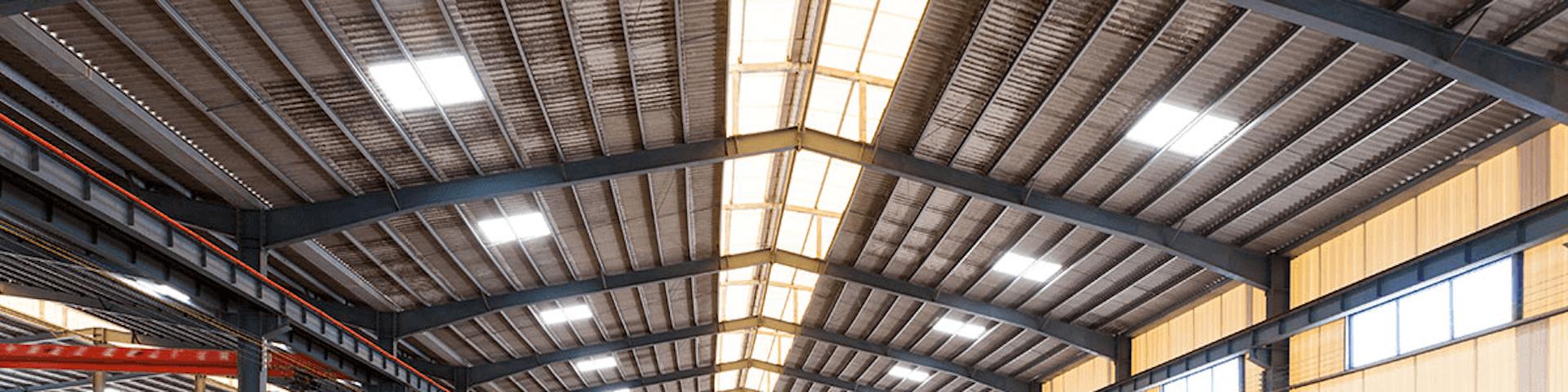
В современном мире, где климатические изменения и энергетические кризисы становятся все более актуальными, возникает вопрос: как совместить эстетику, комфорт и устойчивость в строительстве? Один из ответов – это тропическое солнцезащитное стекло с дизайном. Но действительно ли оно оправдывает ожидания, или это просто очередной маркетинговый ход? В этой статье мы погрузимся в детали, исследуем преимущества, недостатки и будущее этого инновационного материала.
Тропическое солнцезащитное стекло – это специальный тип стекла, разработанный для регионов с интенсивным солнечным излучением, таких как тропики. Оно сочетает в себе функции защиты от ультрафиолетовых лучей, теплозащиты и декоративного дизайна. Но как именно оно работает? Основной принцип заключается в нанесении тонких покрытий или включении частиц, которые отражают или поглощают солнечную энергию, снижая нагрев помещений и защищая интерьер от выцветания. Дизайн-элементы, такие как узоры или цветовые градиенты, добавляются для улучшения визуальной привлекательности. Однако, не все производители используют одинаковые технологии – некоторые применяют напыление металлов, другие – керамические покрытия. Это raises the question: насколько эффективны эти методы в долгосрочной перспективе?
Сторонники тропического солнцезащитного стекла утверждают, что оно способно снизить затраты на кондиционирование до 30%, улучшить энергоэффективность зданий и даже повысить стоимость недвижимости. Но так ли это на самом деле? Исследования показывают, что правильно установленное стекло может действительно уменьшить теплопоступления, но его эффективность зависит от множества факторов: ориентации здания, климатических условий и качества монтажа. Например, в тропических регионах, где солнце светит почти вертикально, стекло с высоким коэффициентом отражения может быть чрезвычайно полезным. Однако, в умеренных климатах эти преимущества могут быть менее выражены. Кроме того, дизайн-аспект добавляет эстетическую ценность, но не всегда улучшает функциональность. Вопрос: не переплачиваем ли мы за внешний вид, жертвуя практичностью?
Производство тропического солнцезащитного стекла involves advanced techniques like magnetron sputtering, chemical vapor deposition, and digital printing for designs. These methods allow for precise control over light transmission and aesthetic elements. But are they sustainable? The use of rare metals in coatings can raise environmental concerns, and the energy-intensive production process might offset some of the energy savings in use. Moreover, the durability of these coatings is a critical factor – some may degrade over time due to weathering, requiring replacement and increasing long-term costs. This leads to the query: is the industry focusing enough on eco-friendly alternatives, such as bio-based coatings or recyclable materials?
В современной архитектуре тропическое солнцезащитное стекло часто используется в высотных зданиях, торговых центрах и жилых комплексах для создания ярких фасадов. Но является ли это необходимостью или просто следствием моды на «зеленое» строительство? Примеры из реальной жизни, такие как проекты в Сингапуре или Дубае, демонстрируют значительное снижение энергопотребления. Однако, critics argue that the initial investment is high, and the payback period can be long. Additionally, the design aspects might not always integrate well with historical or cultural contexts, potentially leading to aesthetic conflicts. So, the big question: should architects prioritize functionality over form, or can they achieve a balance that benefits both?
Стоимость тропического солнцезащитного стекла варьируется в зависимости от технологии и дизайна, often ranging from 50% to 200% more than standard glass. While the energy savings can offset this over time, the calculation depends on local energy prices and usage patterns. In regions with low electricity costs, the financial benefits might be minimal. Furthermore, maintenance costs for cleaning and potential repairs add to the total cost of ownership. This prompts the inquiry: for whom is this product truly economical – only for large commercial projects or also for residential users in tropical areas?
С одной стороны, тропическое солнцезащитное стекло contributes to reducing carbon footprints by lowering energy consumption for cooling. On the other hand, its production involves significant resource extraction and emissions. Life cycle assessments show that the net environmental impact can be positive if the glass is used for many years, but negative if frequently replaced. Recycling is another challenge – coated glass is harder to recycle than plain glass, leading to waste issues. Thus, the dilemma: does the environmental benefit outweigh the harm, and how can manufacturers improve sustainability?
С развитием умных технологий, such as electrochromic glass that changes tint based on sunlight, the future of tropical sun-protective glass looks promising. These innovations could enhance functionality and reduce reliance on active cooling systems. However, they also introduce complexities like higher costs and potential technical failures. The integration with IoT for automated control is another avenue, but it raises questions about privacy and security. Ultimately, the industry must address these challenges to ensure that tropical sun-protective glass remains a viable solution. So, what lies ahead – widespread adoption or niche application?
В заключение, тропическое солнцезащитное стекло с дизайном offers compelling benefits in terms of energy efficiency, comfort, and aesthetics, but it is not without its drawbacks. The high initial cost, environmental concerns, and variability in performance mean that it may not be suitable for everyone. As consumers and professionals, we must carefully evaluate our specific needs, local conditions, and long-term goals before investing. Perhaps the real question is not whether it is good or bad, but how we can optimize its use to create sustainable and beautiful spaces. What do you think – is it a game-changer or just a passing trend?
This article has explored various angles, but the debate continues. Share your thoughts and experiences in the comments below!
Предыдущая статья: Почему выбирают линзы без диоптрий для прогулок под солнцем
Следующий пост: Самые модные нерецептурные солнцезащитные очки сезона
 1388xx888xx