

Добро пожаловатьBeijing Jinshitongming Glasses Co., Ltd.Веб - сайт
1388xx888xx / 1388xx888xx

Время публикации:2025-11-29 00:01:10
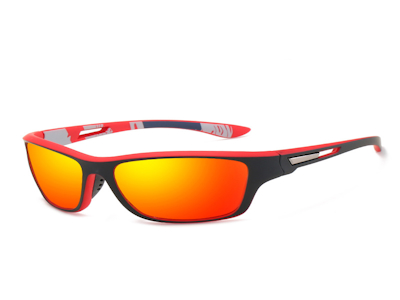
Введение: В современном мире, где солнце становится все более агрессивным из-за изменений климата и озонового слоя, защита глаз от ультрафиолетового (УФ) излучения перестала быть просто модным трендом — она превратилась в насущную необходимость. Каждый день, выходя на улицу, мы подвергаем свои глаза невидимой, но потенциально опасной угрозе. УФ-лучи, невидимые для человеческого глаза, могут вызывать серьезные заболевания, такие как катаракта, макулярная дегенерация и даже рак век. Однако многие люди до сих пор воспринимают солнцезащитные очки лишь как аксессуар для летнего отдыха или стильного образа, игнорируя их защитную функцию. Эта статья aims to shift that perspective, delving into the scientific, health, and practical reasons why wearing sunglasses daily is essential for subtle, yet powerful protection. We will explore the mechanisms of UV damage, the benefits of consistent use, how to choose the right pair, and the cultural shifts needed to normalize this habit. By the end, you'll understand that sunglasses are not just for sunny days — they are a daily shield for your vision and overall well-being.
Научная основа: Ультрафиолетовое излучение делится на три типа: UVA, UVB, и UVC. UVC почти полностью поглощается озоновым слоем, но UVA и UVB проникают к поверхности Земли. UVA лучи, составляющие about 95% of UV radiation, can deeply penetrate the skin and eyes, contributing to aging and long-term damage. UVB rays are more intense and primarily cause sunburn and immediate harm. For the eyes, prolonged exposure to UV radiation accelerates the formation of cataracts by damaging the lens proteins. It also increases the risk of pterygium (a growth on the white of the eye) and photokeratitis (a sunburn of the cornea). Studies from organizations like the World Health Organization (WHO) and the American Academy of Ophthalmology highlight that cumulative UV exposure over a lifetime significantly raises the risk of eye diseases. For instance, a report indicates that up to 20% of cataracts worldwide may be caused by UV exposure. Moreover, UV radiation can harm the retina, leading to macular degeneration, a leading cause of vision loss in older adults. The eyes' natural defenses, such as squinting and pupil constriction, are insufficient against intense or prolonged UV exposure. This is where sunglasses come in — they act as a barrier, blocking up to 100% of UVA and UVB rays when equipped with proper UV protection. The science is clear: daily wear is not an overcaution; it's a proactive measure against irreversible damage.
Ежедневные преимущества: Ношение солнцезащитных очков каждый день offers multifaceted benefits beyond UV protection. Firstly, it reduces eye strain and fatigue. In bright conditions, the eyes work harder to adjust, leading to headaches and discomfort. Sunglasses mitigate this by providing consistent light filtration. Secondly, they protect against environmental factors like wind, dust, and pollution, which can cause irritation and dry eyes. For urban dwellers, this is particularly relevant as smog and particulate matter can exacerbate eye problems. Thirdly, sunglasses help prevent wrinkles and skin cancer around the eyes. The delicate skin there is prone to sun damage, and regular use of sunglasses can reduce UV exposure to that area. Additionally, from a psychological perspective, wearing sunglasses daily can boost confidence and reduce glare-induced stress, making outdoor activities more enjoyable. Imagine driving to work every morning without squinting — it enhances safety and comfort. For children, whose eyes are more sensitive to UV light, daily use is crucial for healthy development. The habit of wearing sunglasses should be as routine as applying sunscreen, integrated into daily life regardless of the weather, as UV rays can penetrate clouds and reflect off surfaces like water, snow, and pavement.
Выбор правильных очков: Not all sunglasses are created equal. To ensure effective protection, look for pairs that block 100% of UVA and UVB rays, often labeled as UV400 or meeting ANSI Z80.3 standards. Lens color and darkness do not correlate with UV protection; even clear lenses can have UV coatings. Polarized lenses are excellent for reducing glare from reflective surfaces, ideal for driving or water activities. However, polarization does not necessarily mean UV protection, so check for both features. Fit is also important — wraparound styles provide better coverage by preventing UV rays from entering from the sides. For daily use, choose lightweight, comfortable frames that suit your face shape and lifestyle. Consider photochromic lenses that adjust to light conditions, offering convenience. Avoid cheap, unverified sunglasses that may lack proper UV filtration, as they can dilate the pupils and allow more UV light in, worsening the damage. Investing in quality sunglasses from reputable brands ensures durability and effectiveness. Remember, it's not about the price tag but the certification — a pair with proper UV protection can be affordable and life-saving.
Культурные и социальные аспекты: In many cultures, sunglasses are seen as a fashion statement rather than a health tool. This perception needs to change. By promoting daily wear through education and awareness campaigns, we can normalize it. Celebrities and influencers can lead by example, showcasing sunglasses as part of their everyday attire. In countries like Australia, where sun protection is a national priority due to high UV levels, wearing sunglasses daily is commonplace. Adopting similar habits globally can reduce the burden of eye diseases. Schools and workplaces can encourage this by providing information on UV risks. Social stigmas, such as fearing to look 'overdressed' on cloudy days, should be addressed through community outreach. The goal is to make sunglasses indispensable, like seat belts or helmets, for long-term health.
Практические советы: Incorporate sunglasses into your daily routine by keeping a pair in your car, bag, or at your desk. Clean them regularly to maintain clarity and hygiene. Replace them if they become scratched or damaged, as imperfections can reduce protection. For those who wear prescription glasses, opt for transitions lenses or clip-on sunglasses. In winter, UV exposure can be higher due to snow reflection, so don't skip wearing them. Teach children the importance early on to instill lifelong habits. Monitor UV index forecasts and wear sunglasses when the index is 3 or higher, which is common even on overcast days.
Заключение: Ежедневное ношение солнцезащитных очков — это простая, yet powerful act of self-care. It protects against visible and invisible threats, preserving vision for years to come. By making it a habit, you invest in your health subtly and effectively. Start today — your eyes will thank you.
Предыдущая статья: Солнцезащитные очки для города: стиль и защита
Следующий пост: Солнцезащитные очки для деревни революция стиля
 1388xx888xx